

Rats are known for being tough, clever rodents that can settle close to people. When rats are present in or near a house, they can quickly turn into a serious problem. Rat infestations can damage property, contaminate food and water, and pose significant health risks to humans and pets. Acting early helps you protect your home, reduce risk, and keep everyone safe.
How Rats Enter Your Home
Rats enter buildings through small gaps and weak spots. They can squeeze through cracks, holes, and broken parts that look far too small at first glance. Common entry points include damaged air bricks, gaps around pipes, loose vents, and worn edges under external doors. Warped thresholds, poor weather stripping, and gaps around windows can also become potential entry points.
Rats can climb rough walls, follow pipes and wires, and move along walls to reach roof areas. They may enter through garages, sheds, and loft spaces, then spread through wall spaces and ceilings. Defective drains can also allow rats to enter from sewer areas into kitchens and bathrooms. Any place with food waste, bird food, compost, or pet bowls left out can attract them and keep them coming back.
To prevent rats, it is important to find entry points and seal them properly. Using strong materials to seal cracks and gaps, fitting door brushes, and repairing vents reduces the chance of a rodent getting inside.
Why Rats Choose Certain Areas
Rats explore places that give them shelter, warmth, and an easy route to food and water. They often choose quiet areas like lofts, under floors, behind furniture, and inside cupboards. They like clutter because it hides them and provides nesting materials, such as fabric, paper, and insulation. Spills, uncovered bins, and waste left near doors make it easier for rats to feed without being noticed.
Outside, rats may live under decking, near compost heaps, behind stored items, or under sheds. Burrows are often found close to walls, fences, or patios where the ground is sheltered.
Damage Rats Can Cause to Property
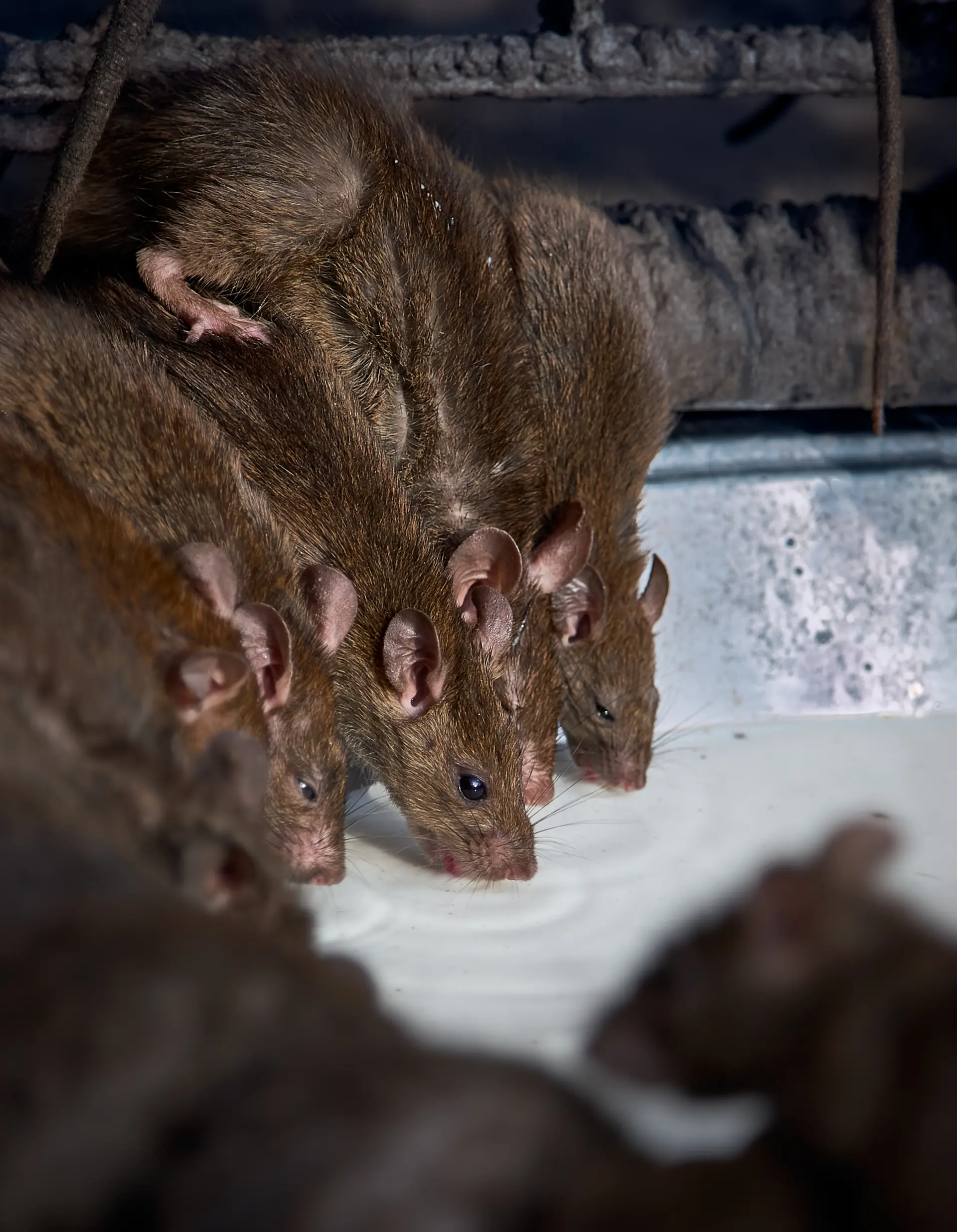
Rats chew constantly because their teeth keep growing. This can lead to structural damage in hidden places and visible areas. They may chew skirting boards, plasterboard, timbers, and even furniture. Over time, this can create new gaps and entry points, which makes a rat infestation harder to control.
One of the biggest dangers is damage to electrical cables. Rats can gnaw through cable coverings, which can result in short circuits and fire risk. These faults may occur behind walls, under floors, or in ceilings, where they are hard to spot. Rats also chew plastic pipes and flexible hoses, which can lead to leaks. Water from a slow leak can damage floors, create mould, and weaken parts of the home.
In gardens, rats can undermine paving and dig under sheds. They can also damage plants, strip bark, and spread pests by moving between properties. Even when the rat problem is dealt with, repairs can take time and may cost a lot.
Contamination and Hygiene Problems
Rats leave urine droppings in places people do not expect, including behind appliances and in cupboards. Rat urine and rat droppings can contaminate food, packaging, and surfaces. Even if food looks fine, it may not be safe if it has been exposed to droppings, saliva, or urine.
Contamination can spread through dust when droppings dry out. This dust can settle on worktops, shelves, and stored items. It can also be breathed in, which is a health risk. Cleaning up properly matters because poor cleaning can spread germs further.
Health Risks Linked to Rats
Rats carry germs that can spread diseases. Some illnesses are caught through direct contact with rats, or by touching contaminated surfaces. Others are transmitted through water or soil that has been polluted by rat urine.
Leptospirosis, also called Weil’s disease, is linked to contact with rat urine in water or damp areas. Symptoms can include fever, headaches, vomiting, and muscle pain. In severe cases it can lead to serious illness.
Hantavirus is another disease linked to rodents, especially when people breathe in dust from dried droppings or nesting sites. Salmonella can occur when rats contaminate food and kitchen areas. Rat bite fever can happen after a bite or scratch, or contact with saliva. While bites are not common, the health risks are still serious, especially for children.
Rats can also carry fleas and mites. These pests may bite pets and humans and can trigger allergic reactions. If someone already has breathing problems, rat contamination and dust can make symptoms worse.
If anyone develops fever, vomiting, or other symptoms after contact with rats, rat droppings, or contaminated areas, it is wise to seek medical advice.
Signs of a Rat Infestation
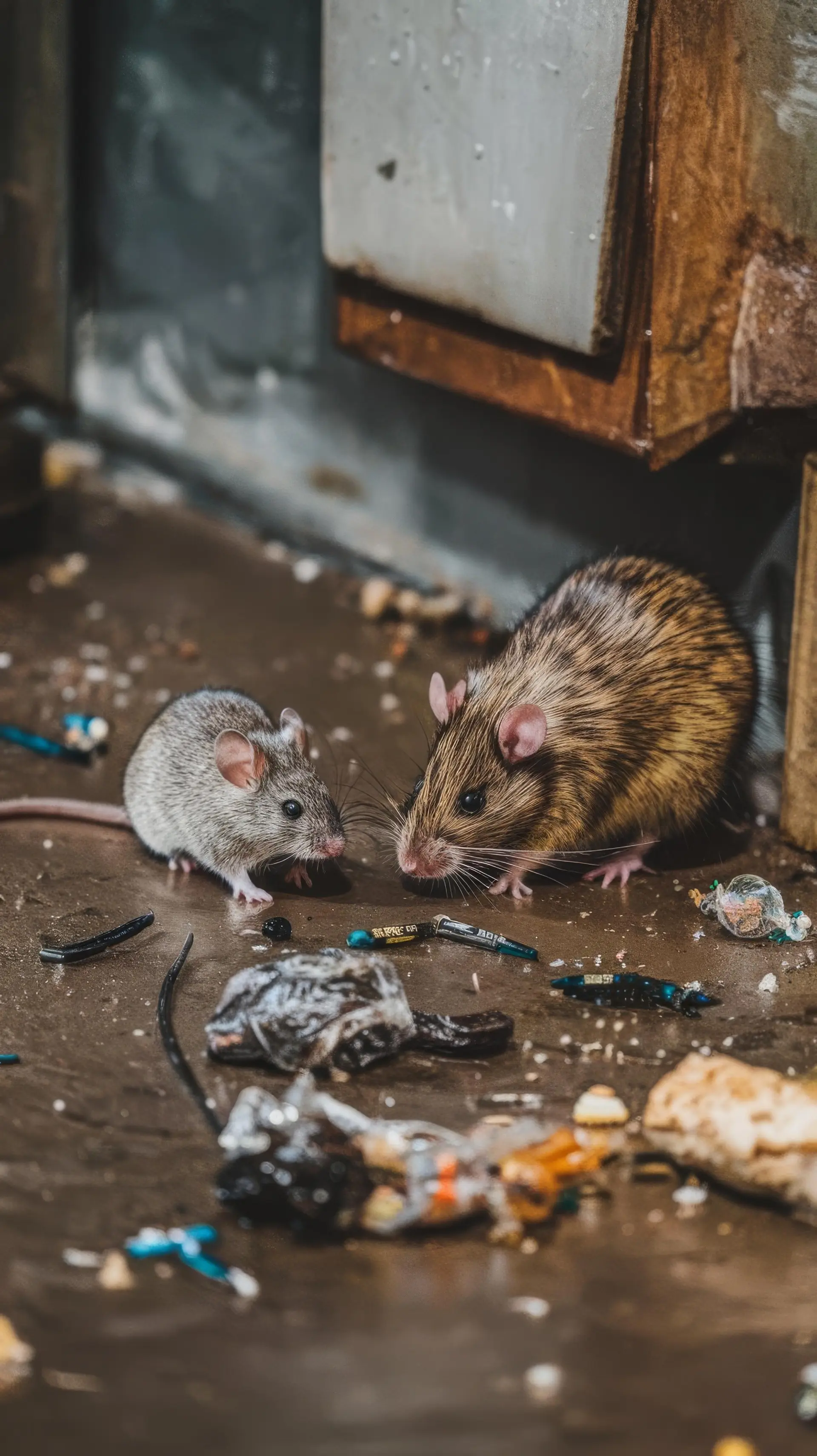
You do not always see a rat, so it helps to look for signs. Rat droppings are often found along walls, behind appliances, or near stored food. Urine droppings may be noticed by a strong smell, especially in closed areas.
Gnaw marks on wood, plastic, or packaging are common. Fresh gnaw marks can look lighter than older ones. Grease marks and rub marks can appear along walls where rats repeatedly brush past. Scratching noises, rustling, or movement sounds in walls and ceilings often happen at night. You may also find nesting materials, such as shredded fabric, insulation, and paper.
Outside, look for burrow holes near sheds, patios, and fences. You might also find disturbed compost, spilled waste, or food dragged into hidden corners.
Why Quick Action Is Important
Rats breed fast, so a small issue can become a full infestation in a short time. The longer rats stay, the more contamination builds up and the more damage they can cause. Delays can lead to more risks, wider spread through a property, and higher repair costs.
Quick action also reduces the chance of rats moving between nearby homes. A rat infestation can become a local nuisance if it spreads through gardens, drains, and shared boundaries.
Safe Cleaning After Rats
If you find droppings or suspect contamination, cleaning must be done carefully. Do not sweep or vacuum dry droppings, as this can push germs into the air. Ventilate the area first, then use a suitable disinfectant and disposable cloths. Wear gloves, and wash hands well afterwards. Items that cannot be cleaned properly may need to be thrown away, especially if food has been exposed.
Clean surfaces where food is prepared, including cupboards, worktops, and floors. Wash pet bowls and store pet food in sealed containers. If rats have been in a loft or behind walls, you may need help to clean safely, especially if insulation is contaminated.
How to Prevent Rats Long Term
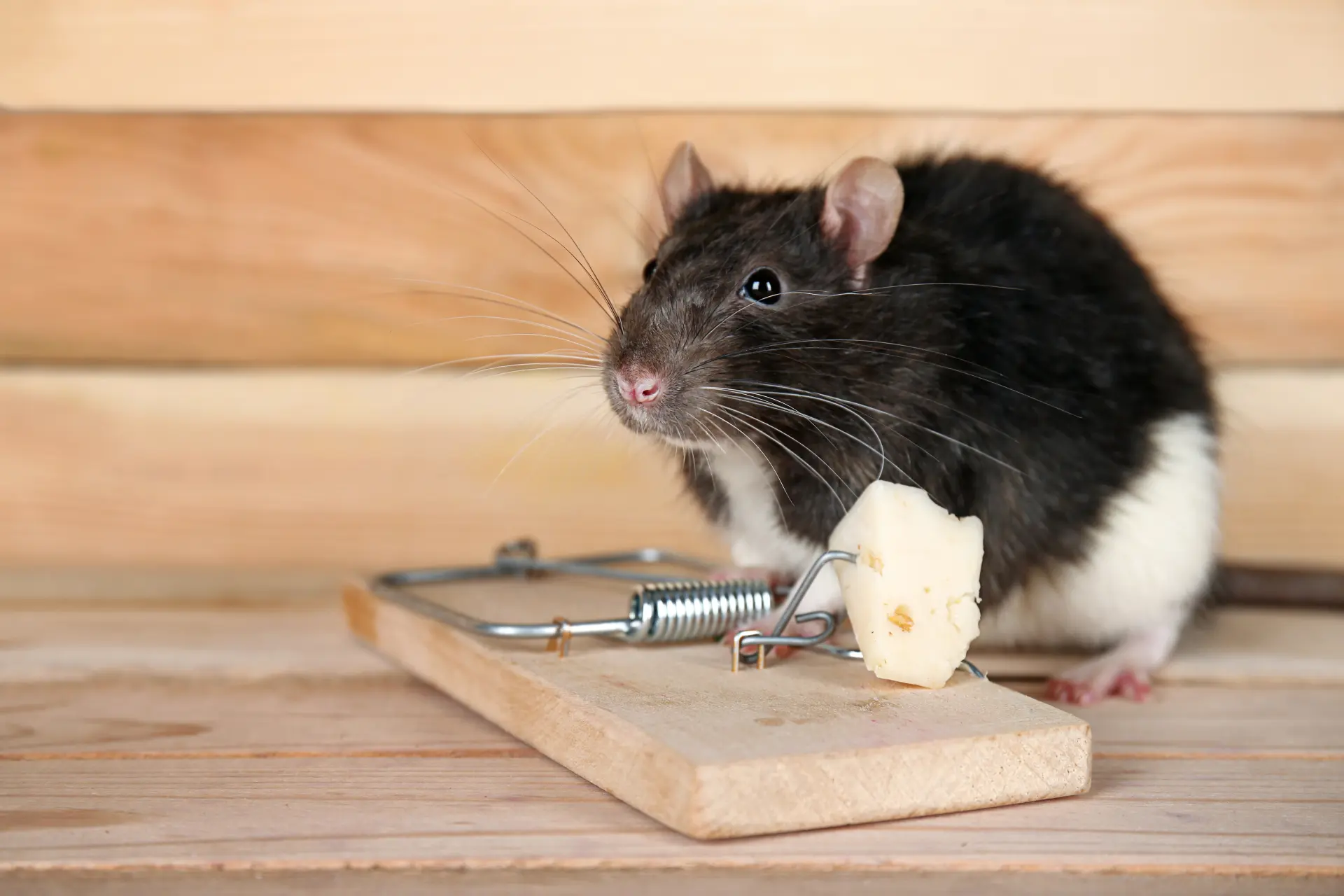
Prevent rats by removing what they need. Store food securely, clear up spills quickly, and avoid leaving waste in open bags. Keep bin lids shut and move bins away from doors when possible. Do not leave bird food scattered on the ground, and keep compost tidy.
Next, block access. Check for cracks and gaps around doors, windows, pipes, and vents. Seal these areas with strong, rodent resistant materials.
Repair broken air bricks and fit covers where needed. Ensure sheds and garages close properly, and patch holes in timber panels. If you have a drain issue, repairs can be important because rats can enter from damaged pipework.
It also helps to reduce shelter outdoors. Cut back overgrown areas, store items off the ground, and keep spaces around sheds clear so rats have fewer places to hide.
If you need gov guidance, look for official advice on waste storage, drain care, and pest prevention in residential areas.
Dealing With a Rat Problem
If you think you have a rat problem, start by securing food and water sources and limiting access to warm hiding places. Check for entry points, then seal gaps and cracks once you are sure rats are not trapped inside. If rats are still active, sealing too soon can lead to rats dying in voids, which can create smells and further contamination.
For many homes, professional help is the safest route. A professional pest specialist can confirm where rats enter, how far they have spread, and what treatment is best. Professional pest control can also help reduce risks to pets and children by using safe methods and clear safety steps. If you want support, you can email a local pest control team and ask for an inspection.
When to Use Pest Control Support
Pest control support is especially important if rats are found in walls, ceilings, or near electrical cables, or if the infestation is widespread. A professional pest control visit can also help if you have repeated rat infestations, or if you suspect drain entry.
A professional pest assessment should look at signs, nesting areas, and routes, then focus on prevention as well as removal. This is often the best way to rid a home of rats and reduce the chance they return.
The Dangers of Rats in Your Home
Rats in a home create real health risks and can lead to costly repairs. By spotting signs early, cleaning safely, and blocking entry points, you can prevent rats and protect your household.
Our rat control service in Liverpool, Manchester and Bolton provides rapid surveys, entry-point tracing, safe targeted treatments, and robust proofing to stop re-entry. We also remove contamination, sanitise affected areas, and set up monitoring to catch any recurrence early.


