

Discover proven techniques to stop birds nesting in unwanted places. Keep your gutters clear and seal any gaps to stop birds nesting near your home.
Signs birds are nesting or getting ready to nest
If you keep seeing birds landing on the same ledge, roof edge, sign, or beam every day, it can mean they're choosing a safe spot to build their nest. You may notice them arriving early in the morning and returning again and again. Groups of birds sitting in one place for long periods of time can also be a warning sign that they're about to nest.
Birds carrying twigs, dry grass, straw, feathers, or bits of paper in their beaks are a clear sign that they're building their nest. They may fly towards your gutters, roof spaces, eaves, vents, canopies, and high corners, and if you see this more than once, they're likely building, or starting to build, their nest nearby.
Small feathers, bits of nesting material, and general debris near your doorways, roof edges, or air vents are also signs of nesting activity. Additionally, if your gutters start overflowing, or if you spot twigs sticking out of your gutter line, there's a high chance that birds are building their nest inside.
Simple ways to block access points
Birds often look for warm, sheltered spots to nest during spring and summer, and the common spots they look for are roof edges, eaves, vents, gutters, and ledges. Blocking off these access points matters because bird nests and droppings can block your drains, cause damp and create slip risks.
Bird netting creates a barrier that stops birds from reaching your roof voids, canopies and other sheltered spaces. It works well under solar panels and across wide roof openings where birds like to roost. The netting should be fitted tightly and checked often so that birds cannot get trapped in it.
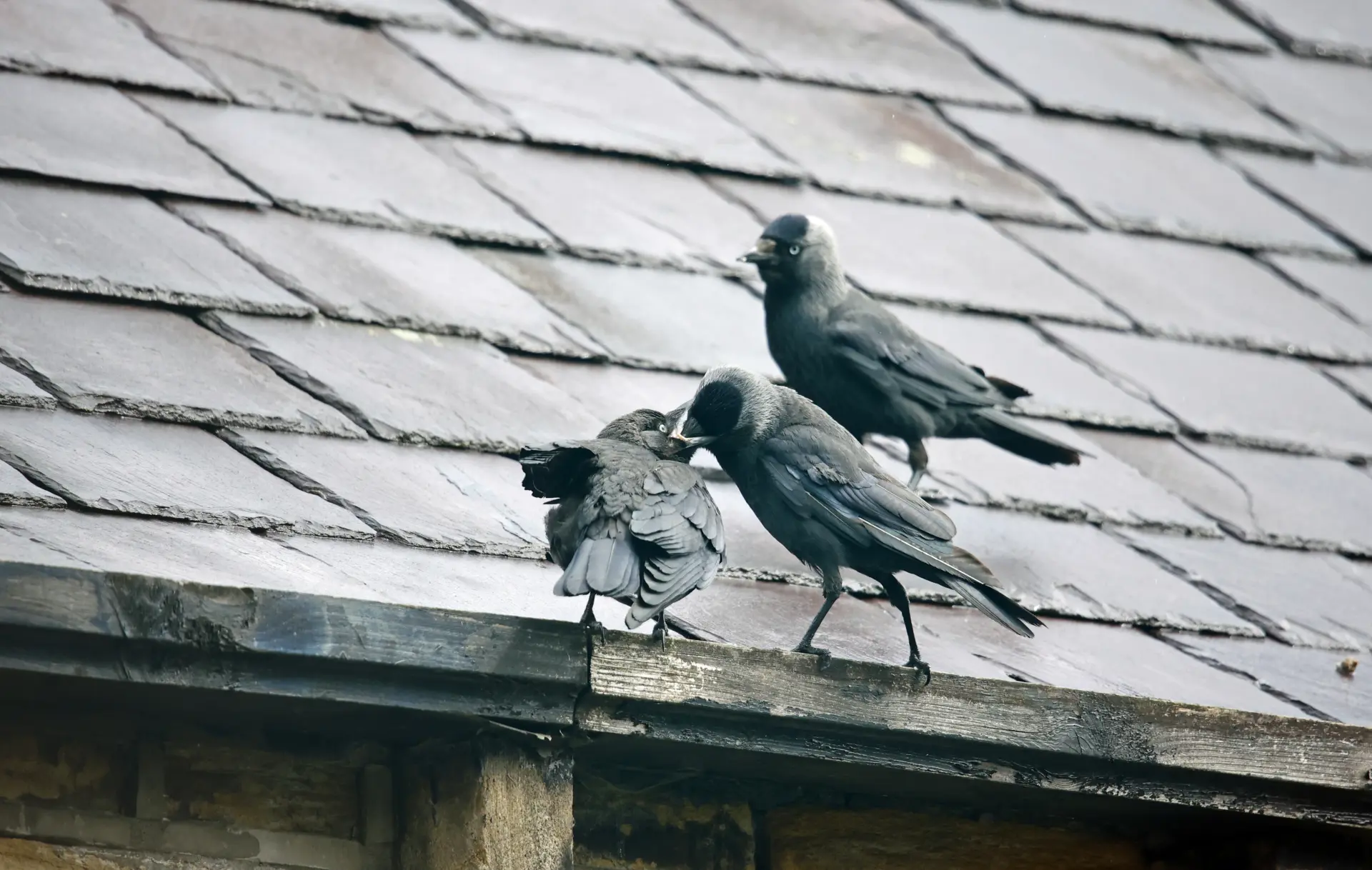
Bird spikes make it difficult for birds to land on your property's ledges, beams and roof edges. Also, they don't harm the birds when they're fitted correctly, but they do prevent them from perching. Spikes often work best on narrow, flat surfaces where birds like to line up and rest, such as flat roofs.
Small gaps in your roof can become ideal nesting spaces, especially for birds that like sheltered cavities. Therefore, you should check for broken tiles, loose soffits, open roof joins, and damaged vent covers. Checking and sealing these areas can help prevent nests from forming in your roof spaces.
Gutters that are full of leaves and debris can be used as a nesting spot or nesting material; in this case, it's best to keep your gutters clear so that birds are unable to build their nests there. You should also clear your roof valleys, edges, and flat roof corners, too, since they can also collect twigs and waste.
What the law says about removing nests in the UK
In the UK, birds and their nests are protected by law, meaning you cannot simply remove a nest because it's annoying, noisy, or messy. The main rule comes from the Wildlife and Countryside Act 1981, and under this law, it's usually an offence to damage, destroy, or remove the nest of any wild bird while it's being built or while it's in use. It's also an offence to take or destroy wild bird eggs.
This is why timing matters. If a nest is active, with eggs or chicks, it should not be removed. In many cases, the safest option is to simply leave the nest until the young birds have gone, then you can clean the area properly and block any access points so that it can't be used again. Some birds can nest at different times of the year, so you shouldn't rely on generic dates alone. Some birds also have stronger protection rights, which can make it an offence to disturb them or their nest, even if you don't touch the nest itself. Because of these extra protections, it's extremely important to identify what type of bird is nesting before you take any action.
How to stop birds coming back next season
Stopping birds from coming back to nest on your property next season in the UK starts with early preparation. Birds often return to the same place each year because they remember the safe shelter, easy food, and good perching spots. If you deal with the root cause, not just the mess, you can reduce the chances of birds nesting there again.
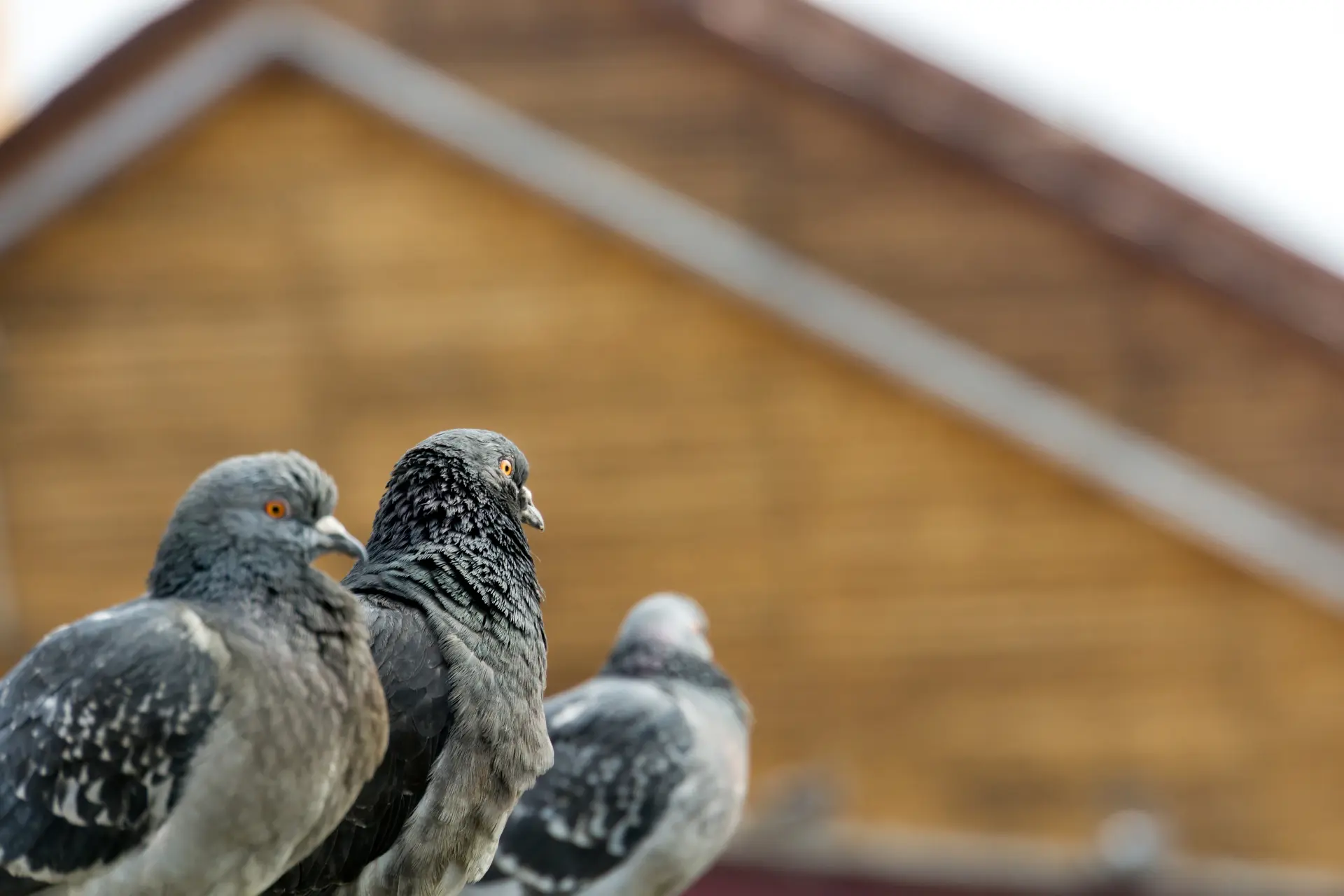
Once the birds have left, you should clear away any loose nesting material, feathers, and droppings. Old nests and strong smells can attract birds back to the same spot, and cleaning it up can help you see any damage, gaps, or potential access points.
You should also check your roof edges, eaves, soffits, vents, chimneys, gutters, and any sheltered corners for signs of a previous nest. Repairing broken tiles, fitting vent covers, and sealing gaps where birds have previously entered from can also help you stop them from nesting on your property again. If birds cannot reach a sheltered space, they are less likely to settle there.
Birds also like to stay close to reliable food sources, so it's crucial to keep your bins closed, clear any spills, and avoid leaving pet food outside. If you feed any wild birds, you should place the feeders away from your roof edges and keep the area tidy.
Master Pest Control Manchester provides professional bird control services in Liverpool, Manchester, Bolton to help keep homes and businesses clean, safe, and comfortable. We can remove bird infestations safely, and we use proven methods to stop birds from returning.


